Colorectal Cancer: Understanding Its Causes and Effects


What Causes Colorectal Cancer and How It Affects Lives

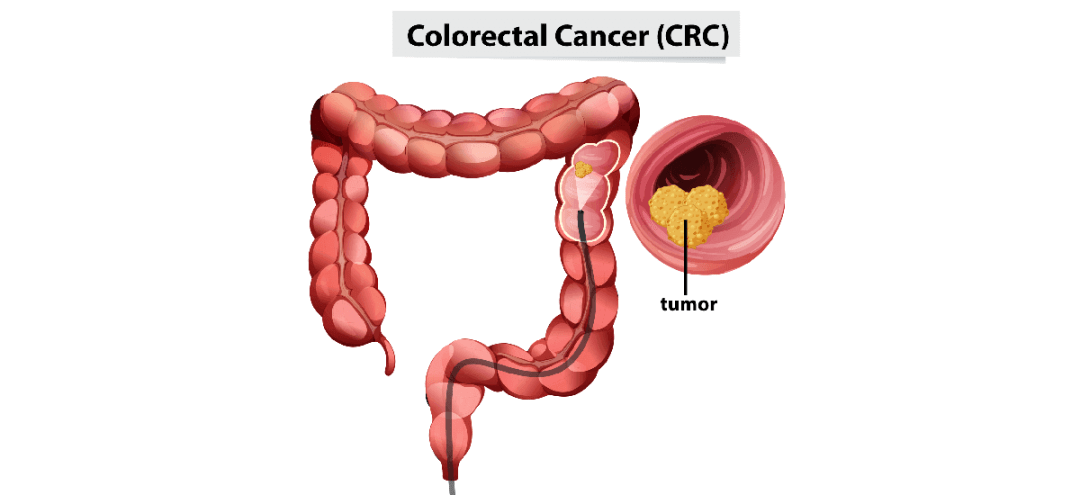
Colorectal cancer (CRC) is a complex disease influenced by a variety of factors. Understanding the causes and effects of CRC is essential in the fight to prevent and treat this deadly condition.

Causes of Colorectal Cancer

While the exact cause of CRC is not fully understood, several risk factors have been identified:

  1. Genetics and Family History: Individuals with a family history of colorectal cancer or certain genetic conditions like Lynch syndrome or familial adenomatous polyposis (FAP) are at higher risk.
  2. Age: The risk of developing CRC increases with age, particularly after 45.
  3. Diet: A diet high in red and processed meats and low in fiber, fruits, and vegetables has been linked to an increased risk of CRC.
  4. Lifestyle Factors: Lack of physical activity, obesity, smoking, and heavy alcohol consumption are all associated with a higher likelihood of developing colorectal cancer.
  5. Inflammatory Bowel Disease (IBD): Conditions like Crohn’s disease and ulcerative colitis, which cause chronic inflammation of the colon, can increase the risk of CRC.

Effects of Colorectal Cancer

The effects of colorectal cancer can be profound, both physically and emotionally:

  1. Physical Health: CRC can cause significant physical symptoms, including pain, fatigue, weight loss, and changes in bowel habits. In advanced stages, the cancer can spread to other organs, complicating treatment and reducing survival rates.
  2. Emotional Impact: A CRC diagnosis often leads to stress, anxiety, and depression, not only for the patient but also for their loved ones. The fear of the unknown and the challenges of treatment can take a heavy emotional toll.
  3. Economic Burden: The cost of treating colorectal cancer, especially in advanced stages, can be substantial. This includes expenses related to surgery, chemotherapy, radiation, and ongoing care, which can place a financial strain on patients and their families.
  4. Quality of Life: CRC and its treatment can significantly impact a patient’s quality of life, affecting their ability to work, engage in daily activities, and enjoy life as they once did.

Conclusion

Colorectal cancer is a serious disease with far-reaching effects. By understanding its causes and addressing the risk factors, we can work towards preventing it. Early detection through regular screening is crucial in reducing the impact of CRC. At SAID NGO, we are dedicated to raising awareness, advocating for better screening programs, and supporting those affected by colorectal cancer.

To stay informed and join us in our mission, follow us on social media . Together, we can make a difference in the fight against colorectal cancer.
Silent Threat: Understanding Colorectal Cancer

Understanding the Silent Threat of Colorectal Cancer

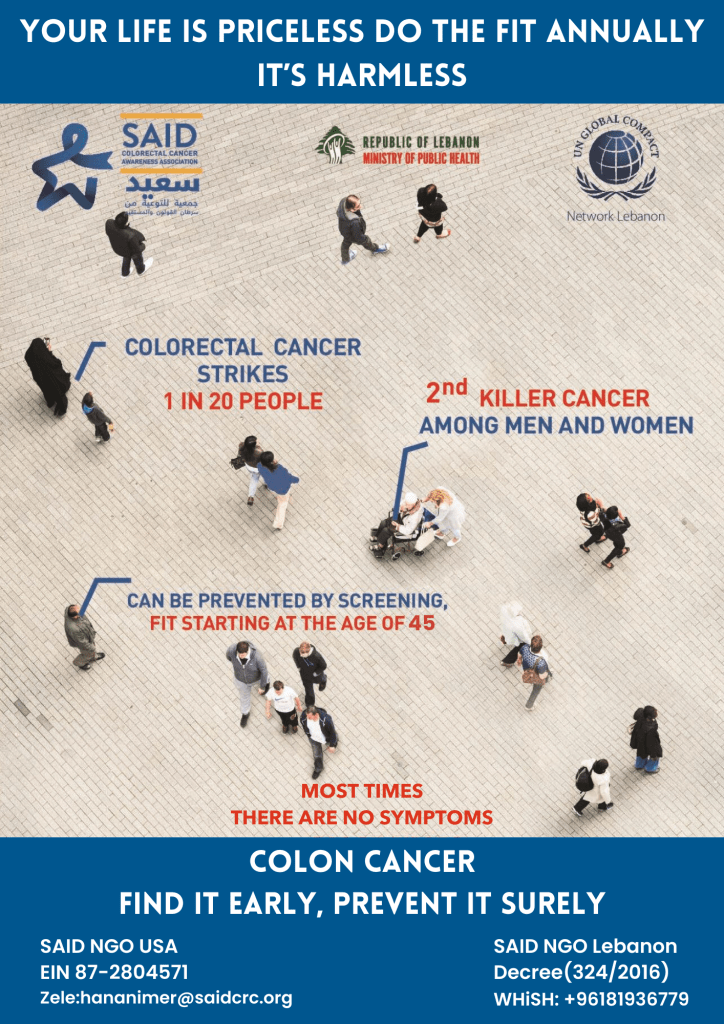
Colorectal cancer (CRC) is a major health concern, ranking among the most common and deadly cancers worldwide. It typically begins as small, non-cancerous clumps of cells called polyps that form in the lining of the colon or rectum. Over time, some of these polyps can develop into cancer. The challenge with CRC lies in its often silent progression; early stages may present few or no symptoms, allowing the disease to advance undetected.

Symptoms, when they do, can be varied and include changes in bowel habits, blood in the stool, unexplained weight loss, and persistent abdominal discomfort. Unfortunately, by the time these signs are noticeable, the cancer already be in a more advanced stage, making treatment more difficult and reducing the chances of a positive outcome.

Despite these challenges, CRC is highly preventable and treatable when caught early. Screening techniques like the Fecal Immunochemical Test (FIT) and colonoscopy are critical tools in detecting the disease at an early, more manageable stage. This is why regular screening is recommended for individuals starting at age 45, or even earlier for those with a family history of CRC or other risk factors.

At SAID NGO, we recognize the urgent need to tackle CRC through proactive measures. Our mission is to educate the public about the importance of regular screenings, advocate for improved access to these life-saving tests, and support those affected by CRC every step of the way. Together, we can combat this silent threat and save lives.

Contact us on +961 03275445 for a free F.I.T. test!

Take The Colorectal Cancer Screening Quiz!

View Survey

Results:

  • If you score from 0 to 20%, you are at Average Risk.
  • إذا حصلتم على نتيجة من ٠ إلى ٢٠%، فأنتم في خطر متوسط
  • If you score from 21% to 40%, you are at Increased Risk.
  • إذا حصلتم على نتيجة تتراوح من ٢١% إلى ٤٠%، فأنتم في خطر متزايد
  • If you score from 41% to 80%, you are at High Risk.
  • إذا حصلتم على نتيجة تتراوح من ٤١% إلى ٨٠%، فأنتم في عالية الخطورة
  • If you score from 81% to 100%, you are at Hereditary Risk.
  • إذا حصلتم على نتيجة من ٨١% إلى ١٠٠%، فأنتم في خطر وراثي

If you have a first-degree relative with a history of colorectal cancer, you should begin screening 10 years before the age of their diagnosis, or at age 40, whichever comes first. Talk to your provider about when you should begin screening if you have a personal history of inflammatory bowel disease of the colon or a personal or family history of large or advanced polyps in your colon or rectum.

إذا كان لديكم قريب من الدرجة الأولى لديه تاريخ من الإصابة بسرطان القولون والمستقيم، فيجب أن تبدأوا الفحص قبل ١٠سنوات من سن تشخيصه، أو عند سن ٤٠عامًا، أيهما يأتي أولاً. تحدثوا إلى الدكتور الخاص بكم حول متى يجب أن تبدأوا الفحص إذا كان لديكم تاريخ شخصي من مرض التهاب الأمعاء في القولون أو تاريخ شخصي أو عائلي من الأورام الحميدة الكبيرة أو المتقدمة في القولون أو المستقيم

Contact us on 03275445 for a free F.I.T. test!

!اتصلوا بنا على٠٣٢٧٥٤٤٥ للحصول على فحص الفيت مجاناً

Patient Advocacy Toolkit, Know Your Biomarker

Know Your Biomarker is an awareness, education, and advocacy campaign fighting for global access to colorectal (bowel) cancer biomarker testing. Through the Know Your Biomarker program, the Global Colon Cancer Association advocates for biomarker testing for all colorectal cancer patients because where you live should not determine whether you can prevent or survive colorectal cancer.

The National Cancer Plan

From the Serail for the Launch of the National Cancer Plan by HE Dr. Firass R. Abiad.

Proud that we participated as internal reviewers of this plan.

Congratulations for a well written plan and Best of luck in implementing it!

A well needed plan and a ray of hope in the dark tunnel we are going through and as mentioned in the website of the Lebanese Ministry of Public Health – وزارة الصحة العامة

“التي تأتي وسط حاجة ملحة لذلك تظهرها الزيادة في معدلات الإصابة بأمراض السرطان في ظل عدم اعتماد أساليب الوقاية

Gladys Honein Hana Ibrahim Nimer @Rolla Khatib

#coloncancerLebanon#coloncancerprevention#coloncancerawareness#nationalcancerplan#firassabiad#cancerdetection#saidngo#MOPH#Cancer_is_not_a_taboo#cancerawareness